
As far as athletes are concerned, there are only two seasons in a year: the in-season and the off-season. There is one major mistake that youth athletes make every year — they overemphasize sport-specific, in-season type training year-round and don’t put nearly enough emphasis on strength and conditioning for youth athletes. Throughout the year, training priorities are supposed to shift.
Off-Season vs. In-Season Training: Two Seasons, Two Priorities
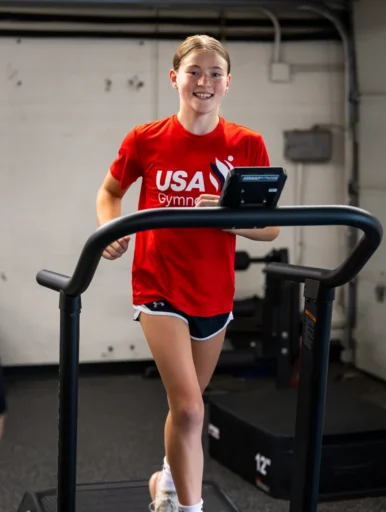
During the off-season, there should be a massive shift away from playing and practicing the sport and toward strength and conditioning. As the competitive season approaches, you’re supposed to dial back the weight room and shift priority back to the sport.
The piece that parents and athletes miss is that they take a “this or that” approach. At no point in the year should either type of training disappear. If you want to reach a high level in sport, both strength training and sport practice need to be present in some capacity at all times.
For example, if youare a soccer player, winter and spring should be your off-season. During this period you should be strength training three or more times per week, and playing soccer one to three times per week to maintain your skills. Once summer and fall roll around, you should incrementally decrease your strength training days and add practice and game days — but the strength training days should never drop to zero.
What In-Season Strength Training Should Look Like
Off-season strength training is all about getting faster, stronger, more powerful, and more resilient. It’sabout pushing yourselfto the limit and hitting PRs. This is where you’re allowed to be sore and allowed to be tired from training.
In-season strength training for youth athletes looks very different. It’s all about the minimal effective dose — training as little and as lightly as possible while still getting some adaptation, or at the very least maintaining what was built in the off-season.
Why In-Season Training Prevents Injury and Burnout
For one, the average age of burnout in athletes is now 13 years old. This happens when kids are on three teams each season, going to showcases every other weekend, and never having an off-season to miss their sport. The pressure to perform at their highest year-round takes a toll.
Second, athletes who fail to strength train during the season are three times more likely to be injured than those who continuously strength train in-season (Hejna, William F., et al., NSCA Journal, 1982). In-season strength training for youth athletes is one of the most effective injury prevention tools available.
So step one to having a successful, injury-free season is to take long breaks from playing your sport, or reduce how much you’re playing significantly for at least six months out of the year — in some cases nine months is better. Step two is to never stop strength training. For six to nine months out of the year you should be strength training three or more times per week, and during the competitive season you should be strength training one to two times per week.
Train Like the Pros: In-Season Strength Training in Action
Scared to train in-season? There are plenty of real-world examples to back up why every athlete should. If you remember watching the Michael Jordan documentary that came out a few years ago, there was an entire segment about how the championship-winning Chicago Bulls regularly strength trained throughout the season to maintain their fitness. Jayson Tatum and the Boston Celtics were often highlighted for their in-season strength training in the postseason during their championship-winning season in 2024. The Philadelphia Eagles were in the weight room the week of their Super Bowl victory in 2025. The bottom line is, if you want your son or daughter to train like the pros, then make them train like the pros.
Real Results from Youth Athletes Who Train In-Season
Ok, I get it — the pros are the pros and your kid is not them. Here at Elias Sports Performance, I can tell you without a shadow of a doubt that our best-performing and highest-achieving youth athletes train with us year-round. They do not stop once the season rolls around; they continue to train one to two times per week.
Madeline Cardany has been training with us for four years and is going into her senior year as a two-sport captain in swimming and golf at Wethersfield High School. Last swim season she helped lead her team to a state championship victory.
Blake Wool has been training with us for four years and is going into his senior year at Mercersburg Academy in Pennsylvania, one of the premier high school swim programs in the country. He’s been in contact with multiple Division 1 programs, including Big Ten and Ivy League schools.
Jayden Korber has been training with us for a little over two years now and will be entering his senior year at Glastonbury High School, playing on their basketball team. This summer Jayden has been talking with multiple college coaches to discuss his future in the sport.
Cam Jolly has been training with us for just under a year and plays baseball at Manchester High School, going into his junior year. Midway through the 2026 spring baseball season, Cam got called up from JV to varsity after the head coach told the team only upperclassmen would be on varsity. Cam didn’t give them a choice.
Josh Solomonson has also been working with us for just under a year and will be entering his junior year at Manchester High School as a baseball player. Last year Josh was one of the five slowest players on the team, as measured by the coaching staff. This past season he became one of the five fastest players on the team.
Why am I highlighting these five specific athletes? They all have one thing in common: this past year, they all continued to train with us during their competitive seasons, and they all not only stayed healthy the whole time, but continued to improve as the season progressed.
Don’t let another season go by without a real in-season strength and conditioning plan. At Elias Sports Performance in Glastonbury, CT, we build programs for youth athletes that keep them healthy, strong, and improving all year long — not just during the off-season. Reach out to Elias Sports Performance today to schedule a consultation and give your athlete the year-round training plan that keeps them on the field, on the court, and in the pool — injury-free.